Greenville & Wilson
How do you compare homes in Greenville and Wilson, NC?
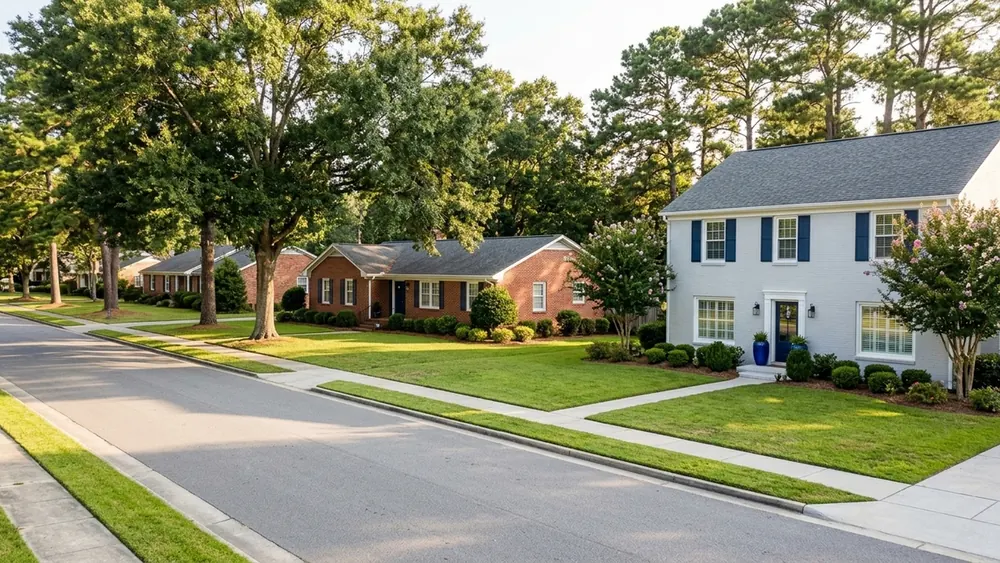
Compare homes in Greenville and Wilson, NC, against your own routine and budget rather than against each other: list where your week takes you, compare condition and cost of owning home by home, and confirm records and zoning with each city and county.
On this page
Compare homes against your life first
The clearest way to compare homes in Greenville and Wilson, NC, is to measure each one against your own routine and budget instead of against the other town. Write down where your week takes you, the type of home you want, how much upkeep you can handle and what your lender says you can comfortably carry. Then score every home you tour on that same list. The right home is the one that fits your plans, wherever it sits.
This matters because a comparison between two places can quickly turn into opinions, and opinions are not what you will live with. You will live with the trips you actually make, the repairs the house actually needs and the monthly cost you actually pay. Comparing at the level of individual homes keeps the decision grounded in facts you can check, from sources that can confirm them for a specific address.
It also keeps the search open. Some buyers start certain they want one town and find that the home that fits them sits in the other. Others find their routine settles the question in an afternoon. Either way, a shared yardstick lets you weigh homes in both places fairly, and it makes it easier to explain your thinking to anyone who is buying with you and will share the home.
Map your weekly routine before comparing
Start with where your week actually goes. List the places you travel to often: work, the people you see, appointments, errands and the things you do on weekends. Then think about when you make those trips, not just where they lead. A route that feels easy on a Sunday afternoon may feel different on a weekday morning, so test the drives you would really make at the times you would really make them.
If anyone in the household works in one town and spends time in the other, write both routines down. If you work from home some days, note that too, because it changes how much the daily trip matters. The point is not to decide which town is closer to everything. The point is to know which homes fit the way your household moves through a normal week, in either place.
Bring that list on every tour. When a home looks appealing, check it against the routine before you check it against the photos. A home that fits your week tends to keep fitting it. A home that only fits a good first impression can turn into a daily trip you resent. Writing it down keeps the comparison honest when two homes in two places both catch your eye at once.
Compare home type and condition side by side
Next, compare what kind of home you are actually looking at. A house, a townhome and a condo carry different kinds of upkeep, and the homes for sale in each town will change from week to week. Decide early which types you will consider, so you are comparing like with like. A house in one town against a condo in the other is really a choice about home type, not about the towns.
Condition deserves the same care. An older home and a newer one can both fit well, but they raise different questions about roofs, systems, windows and past repairs. Treat what you see on a tour as a starting point for questions, not as an answer. A licensed home inspector is the right source for the condition of a specific house, and the inspection is where those questions get real answers.
Ask about past work too. Additions, finished spaces and major repairs may have needed permits, and the city or county for that address can tell you what is on record. That check matters in both towns, and the answer belongs to the specific property, not to the place it sits in. Note what you learn for each home so that you are comparing them on the same set of facts.
Questions that apply in either town
Whatever town a home is in, some questions stay the same. Asking them for every home keeps the comparison fair and keeps your notes lined up side by side. They are not about ranking places. They are about whether a particular home fits your plans, and what you would need to confirm before making an offer on it with confidence.
- How the home fits the trips you make on a normal weekday
- What the inspection should look at closely in this particular house
- What the county records show for this specific address
- What zoning and permit questions the city can answer for this property
Notice that each question points at a specific home. Greenville and Wilson each have their own city and county offices, and records, rules and the tax picture can differ from one location to the next. That is exactly why general impressions are not a substitute. Once you have a home in mind, ask the city and the county about that address, and keep their answers together with your notes.
Who answers each part of the comparison
Comparing homes in two towns brings together questions for different people. Matt can help you weigh how homes fit your plans and walk through the buying side from the first tour to closing. Other questions belong with sources that can answer for a specific property. Sorting them early keeps one opinion from standing in for a real answer. Here is a simple way to keep them straight.
| Question | Why it matters | Who to ask |
|---|---|---|
| Which homes fit my weekly routine | Narrows where to look first | You, with Matt Dew |
| What I can comfortably borrow | Sets a budget you can plan around | A qualified lender |
| Records and taxes for an address | Shapes the real cost of owning | The county |
| Zoning and past permits | Shows what work was approved on record | The city or the county |
| Condition of a specific house | Reveals repairs before you commit | A licensed home inspector |
Keep a note of who answered each question and when. Answers about a property can change during a search, and something you heard early may need checking again before you sign. The table is not about which town wins. It is about judging every home on facts from the sources that can confirm them, so a Greenville home and a Wilson home are compared on equal footing.
Cost of owning beyond the price
The listing price is only one part of what a home costs. Property taxes, insurance, utilities, upkeep and any association fees all shape the monthly picture, and each can differ from one home to the next and from one town to the other. Rather than guessing, ask the county about taxes for a specific address, ask an insurance agent for a quote and ask a lender how the whole picture fits your budget.
If a home is part of a community with an association, read its documents and confirm fees and rules with the association directly. Put every cost you learn into one simple sheet for each home you are serious about. Seeing them side by side often settles a close call, because two homes that looked similar on a listing can look quite different once the full cost of owning each one is on paper.
Preparing to compare Greenville and Wilson homes
Before a first conversation, gather a few things so the comparison has something real to work with. Rough answers are enough at this stage. The point is to describe your own week and budget clearly, so that every home in either town can be measured against the same picture by everyone involved in the decision, and so the first tours are spent on real candidates.
- A list of the places you travel to most during a normal week
- Your preference between a house, a townhome and a condo, if you have one
- Notes from any homes you have seen, including what fit and what did not
- Your early questions for a lender, the county, the city and an inspector
With those in hand, choosing between a home in Greenville and a home in Wilson becomes a conversation about fit rather than a guess. Matt Dew can walk through it with you from the buyer’s side, with no pressure to decide anything in a first conversation. Which part of the comparison would you most like to talk through first?
This article is general information about buying homes and condos in Wilson and Greenville, extending to the coast at Atlantic Beach, North Carolina, and the surrounding areas. It is not legal, tax, lending, insurance, flood or inspection advice and does not predict prices or promise results. Confirm flood zones and insurance with official sources and an insurance agent, association fees and rules with the association, financing with a qualified lender, and property condition with a licensed home inspector. Matt Dew, Matt Dew Real Estate.

Written by