Greenville & Wilson
What should you know before buying a home in Wilson, NC?
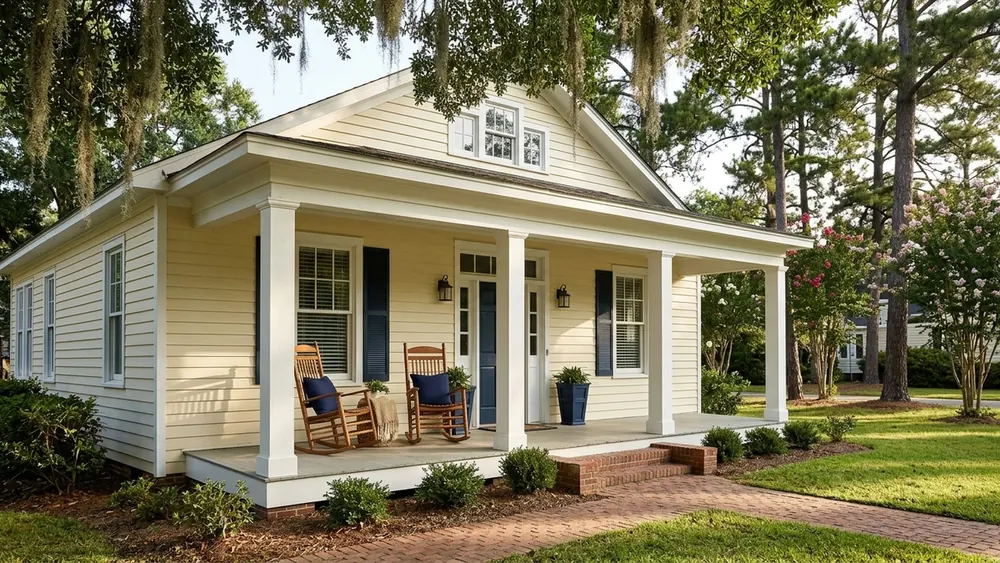
Before buying a home in Wilson, NC, get clear on how the home fits your routine, start the lender conversation early, understand who your agent represents, and know which property questions go to the city, the county, an inspector and an attorney.
On this page
- What a Wilson home search starts with
- Getting to know Wilson on your own terms
- Who your agent works for in North Carolina
- Preparing your budget with a lender
- Questions to settle before you make an offer
- From accepted offer to closing day
- How your situation shapes a Wilson purchase
- First steps before you start touring
What a Wilson home search starts with
Before buying a home in Wilson, North Carolina, know how the home needs to fit your routine, what your lender says you can comfortably carry, who your agent works for and which property questions belong with the city, the county, a licensed home inspector and a real estate attorney. Those four pieces give the search a shape. With them in place, you can tour with purpose and make an offer you actually understand.
This matters because a home search moves in steps, and each step is easier when the one before it was done well. A clear routine narrows the homes worth seeing. A lender conversation turns a hopeful number into a real one. Knowing who represents you tells you whose advice to lean on. And knowing who answers each outside question keeps guesses out of one of the largest purchases most people make.
It matters too if Wilson is new to you. Maybe you are moving for work, moving closer to people you care about, or weighing it against Greenville and other places in eastern North Carolina. Wherever you are coming from, the same steps apply. The rest of this guide covers getting to know the area on your own terms, preparing a budget, making an offer and getting from an accepted offer to closing.
Getting to know Wilson on your own terms
If you do not know Wilson well yet, the most reliable way to learn it is to spend time there doing the things you will actually do. Drive the trips you would make on a workday at the times you would make them. Run errands, find the places you would use each week and notice how each location fits your routine. Your own experience will tell you more than any list online can.
Visit more than once if you can, on different days and at different times. Write down your impressions after each visit, before they blur together. Keep the focus on how a home and its location fit your week, not on labels or reputations you may have heard. That keeps the search about your needs, and it gives you something concrete to talk through when you start looking at homes.
Spend a normal weekday in Wilson before you buy there. I want you choosing a home by how your real week will run, not by a single good afternoon.
Who your agent works for in North Carolina
Early in any conversation with an agent in North Carolina, ask for the Working with Real Estate Agents disclosure. It explains the ways an agent can work with buyers and sellers. Read it carefully and ask about anything it raises. Understanding the relationship before you share details about your budget or plans is one of the simplest protections a buyer has, and it costs you nothing but a few minutes of reading.
A buyer’s agent works on your side of the table. That means helping you evaluate homes, understand what you are looking at, write an offer you understand and keep track of each step through closing. The seller’s agent represents the seller. Ask how any buyer agreement works before you sign it, what it covers and how compensation is handled, and get the answers in plain language.
Matt Dew focuses on buyer representation, so the conversation starts with your needs and your questions rather than with a particular house. If something about the working relationship is unclear at any point, ask again until it is not. A steady working relationship depends on you knowing exactly what to expect from it, from the first conversation to the day you get the keys.
Preparing your budget with a lender
Talk with a qualified lender before you tour. A lender can explain your loan options, the documents you will need and what monthly payment fits your situation, and can tell you what a preapproval means for you. Get current terms in writing. That conversation turns a rough number into a budget you can plan around, and it makes the offer step calmer when the right home appears.
Remember that the loan payment is only part of the cost. Ask the county about property taxes for a specific address, ask an insurance agent for a quote on that home and plan for upkeep and utilities. If a home is in a community with an association, confirm its fees and rules with the association directly. Building that fuller picture early keeps a surprise from showing up just before closing.
Questions to settle before you make an offer
When a Wilson home fits your list, slow down long enough to answer a few questions before you write an offer. This is not caution for its own sake. It is about knowing what you are agreeing to, and what you still plan to check once the offer is accepted. Write the answers down so that everyone buying with you sees the same picture.
- What the due diligence period covers and what it would cost you
- Which inspections you plan to schedule and who will do them
- Which financing and closing terms appear in the offer and why
- Who the real estate attorney handling your closing will be
Ask about the due diligence period in a North Carolina offer before you sign anything: what it is for, how any fee works and what happens if you decide not to move forward. Those specifics belong with a real estate attorney and the contract itself. Matt can walk you through how each part of the offer fits together from the buyer’s side, so nothing in it comes as a surprise.
From accepted offer to closing day
Once an offer is accepted, several questions run at the same time, and each belongs with a different source. Here is a simple way to keep track of them so nothing important waits until the last minute. Keep the list somewhere everyone involved in the purchase can see it, and update it as each answer comes in.
| Question | Why it matters | Who to ask |
|---|---|---|
| Condition of the home | Reveals repairs before you commit | A licensed home inspector |
| Final loan approval | Keeps financing on track to closing | A qualified lender |
| Property records and taxes | Confirms what you are buying | The county |
| Zoning and past permits | Shows what work was approved | The city or the county |
| Title and closing documents | Explains what you are signing | A real estate attorney |
Keep notes on who answered each question and when. Stay in touch with your lender between the accepted offer and closing, and plan a final walk through before you sign. If an inspection finding raises a question, ask the inspector what it means and talk with the attorney about your options under the contract. Asking early keeps each decision calm instead of rushed.
How your situation shapes a Wilson purchase
Your own circumstances change which questions come first. If this is your first home, the lender conversation and the offer steps may deserve the most time. If you are moving from out of state, the North Carolina steps, the agency disclosure and the attorney’s role at closing may be new, so ask about them early. If you are moving from a larger home to a smaller one, layout and upkeep may lead the list.
If you are weighing Wilson against Greenville, compare individual homes against the same routine and budget rather than comparing the towns themselves. If you are buying with someone else, agree early on what each of you needs. None of these situations has one right answer. Each simply changes the order of the questions, and knowing your order keeps the search on homes that genuinely fit.
First steps before you start touring
Before a first conversation, write down how the home needs to fit your routine, whether you lean toward a house, a townhome or a condo, and the features you need compared with the ones that would be nice. Note whether you have spoken with a lender yet, and list the outside questions you already know about. Rough answers are fine. They give the conversation a real starting point.
When you are ready, bring that list to Matt Dew and talk it through plainly. There is no pressure to decide anything in a first conversation. The aim is the same wherever you buy: someone on your side, helping you start with how you will live in the home, ask the right questions and take each outside question to the right source. What would you most like to understand about buying in Wilson?
This article is general information about buying homes and condos in Wilson and Greenville, extending to the coast at Atlantic Beach, North Carolina, and the surrounding areas. It is not legal, tax, lending, insurance, flood or inspection advice and does not predict prices or promise results. Confirm flood zones and insurance with official sources and an insurance agent, association fees and rules with the association, financing with a qualified lender, and property condition with a licensed home inspector. Matt Dew, Matt Dew Real Estate.

Written by